Common Misconceptions About Energy Efficient Roofing


Understanding Energy Efficient Roofing
When it comes to energy efficient roofing, many homeowners have misconceptions that can lead to confusion and missed opportunities for energy savings. Understanding these misconceptions is crucial for making informed decisions about your roofing options.

Misconception 1: Energy Efficient Roofing Is Just About Solar Panels
One common myth is that energy efficient roofing only involves installing solar panels. While solar panels are a popular choice, energy efficiency can also be enhanced through other materials like reflective shingles or cool roofs. These materials reflect more sunlight and absorb less heat, reducing the need for air conditioning.
In fact, cool roofs can lower your roof temperature by up to 50 degrees, which significantly reduces cooling costs. This means that even without solar panels, your roof can contribute to energy savings.
Misconception 2: Energy Efficient Roofing Is Expensive
Another misconception is that energy efficient roofing comes with a hefty price tag. While the initial investment might be higher compared to traditional roofing, the long-term savings on energy bills often offset the costs. Additionally, many local and federal incentives are available to reduce these costs.

Consider the lifecycle cost rather than just the upfront expense. Energy efficient roofing materials often have a longer lifespan, reducing the need for frequent replacements and repairs.
Misconception 3: Energy Efficient Roofing Only Works in Hot Climates
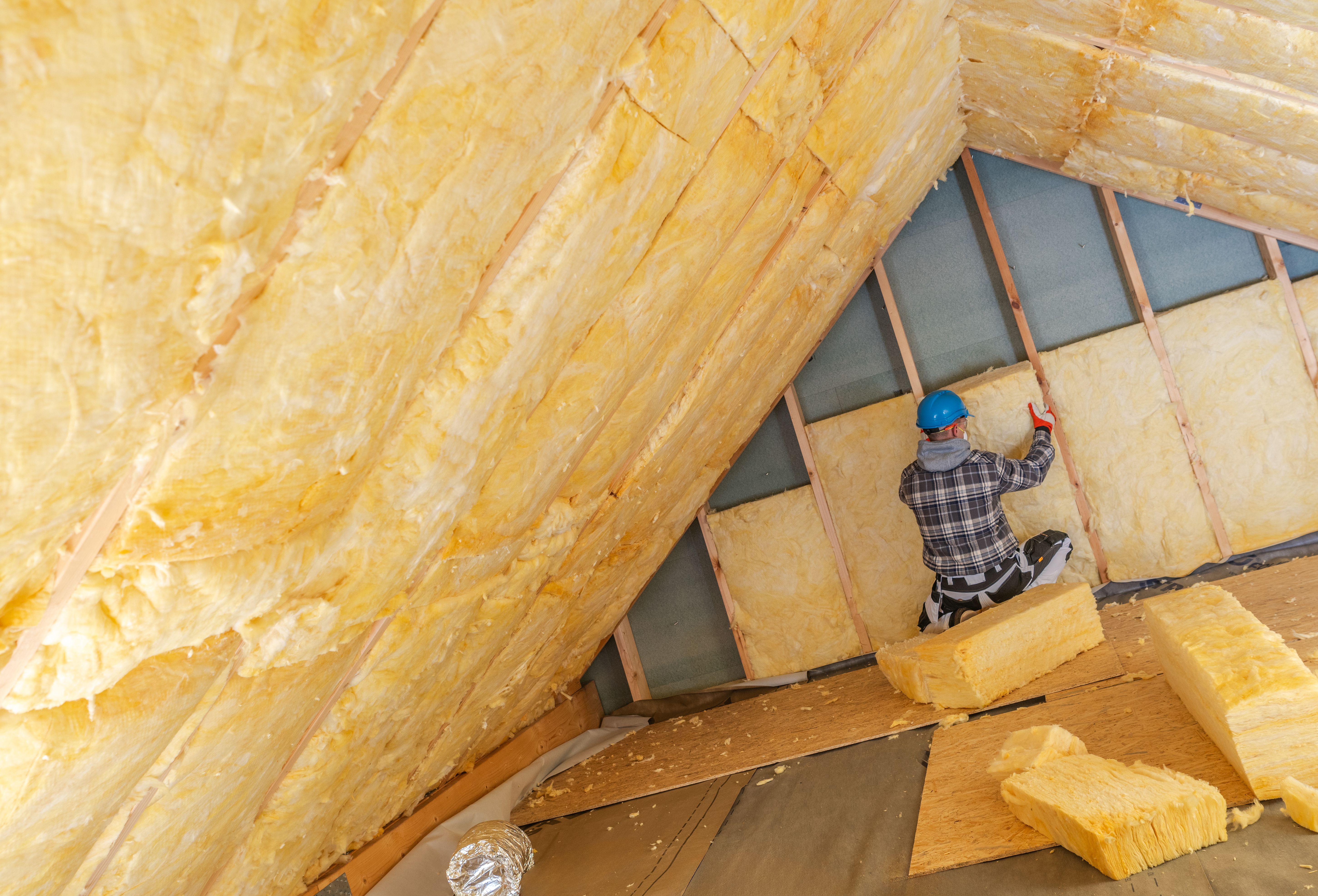
Many people believe that energy efficient roofing is only beneficial in hot climates. However, these roofs are designed to manage both heat and cold. In colder climates, they can improve insulation and reduce heating costs as well.
Moreover, by maintaining a stable indoor temperature, energy efficient roofs can enhance comfort in all seasons, making them a versatile choice regardless of your location.
Misconception 4: Any Reflective Roof Is Energy Efficient
Not all reflective roofs are created equal. It's important to check for certifications, such as those from ENERGY STAR or the Cool Roof Rating Council, to ensure the roofing material meets energy efficiency standards.
These certifications consider factors like solar reflectance and thermal emittance, providing assurance that the roofing material will perform as expected in conserving energy.
Final Thoughts
Understanding these common misconceptions can empower homeowners to make better decisions about their roofing options. By considering the various aspects of energy efficient roofing, you can choose a solution that not only saves money but also contributes to a more sustainable environment.
As you explore your options, remember to consult with roofing professionals who can provide tailored advice based on your specific needs and local climate conditions.